What Is Workforce Planning? The Process, Explained Simply
Workforce planning is the process of working out what people and skills your organisation will need, comparing that to what you already have, and closing the difference. It covers headcount, skills, roles and timing, and it usually ends in a decision to train, hire, borrow or redesign the work.
On this page 10 sections
- What Workforce Planning Actually Is
- What Has Changed, and Why Old Plans Keep Breaking
- Operational and Strategic Workforce Planning
- The Workforce Planning Process, Step by Step
- Where Workforce Plans Usually Go Wrong
- How to Start Without an Analyst or a Budget
- Turning the Plan Into Training That Actually Happens
- The bottom line
- Frequently asked questions
- Sources
Short answer
Workforce planning is the process of working out what people and skills your organisation will need, comparing that to what you already have, and closing the difference. It covers headcount, skills, roles and timing, and it usually ends in a decision to train, hire, borrow or redesign the work.
What Workforce Planning Actually Is
Workforce planning gets described as something complicated. It is not. It answers four questions, and the hard part is answering them honestly rather than understanding them.
- What work is coming? What the organisation plans to do over the next one to three years, in plain terms.
- Who do we have? Roles, headcount, skills, locations, and who is likely to leave or retire.
- What will we need? The roles and, more usefully, the skills that plan actually requires.
- How do we close the gap? Train someone, hire someone, bring in contractors, or change how the work is done.
The last question is where plans either become useful or quietly die. A document that lists gaps and stops is a report. A plan says what you are doing about each one, by when, and who owns it.
What Has Changed, and Why Old Plans Keep Breaking
Workforce planning used to mean a headcount forecast built once a year. Three things have broken that approach, and the data on each is fairly clear.
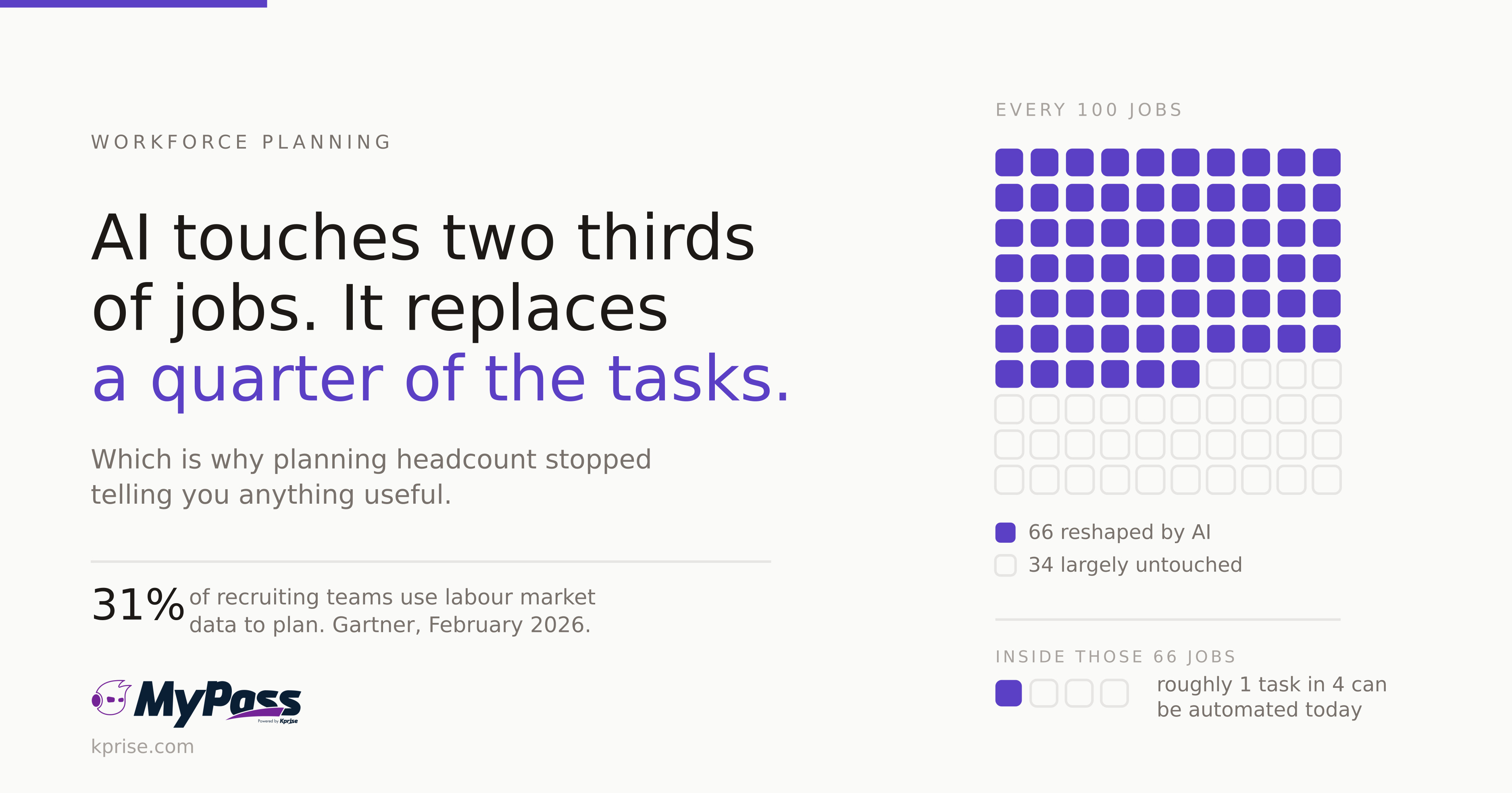
- Jobs are changing faster than they are disappearing. Orgvue's 2026 analysis puts around 66 percent of jobs as affected by AI, but only about 25 percent of the tasks inside them as currently automatable. The World Economic Forum expects 39 percent of workers' core skills to change by 2030. Roles are being rebuilt from the inside, which a headcount number cannot show you.
- Forecasts have got less reliable. PwC's 2026 Global CEO Survey found 30 percent of CEOs confident about revenue growth over the next year, down from 38 percent the year before and 56 percent in 2022. Planning for one future when leadership cannot agree on which one is coming is wasted effort.
- Most teams are planning without data. Gartner reported in February 2026 that only 31 percent of recruiting functions use labour market data to shape talent strategy. The rest are planning on instinct and last year's spreadsheet.
- It is on the agenda but not resourced. A Gartner survey of 426 CHROs in July 2025 found 42 percent ranked strategic workforce planning a top priority. Very few of them have an analyst dedicated to it.
The practical consequence is that planning at job-title level no longer tells you much. If two thirds of jobs change but only a quarter of tasks go away, the useful unit of planning is the task and the skill, not the headcount line.
Operational and Strategic Workforce Planning
People use the two terms interchangeably and then talk past each other in meetings. They are different jobs with different time horizons.
| Operational workforce planning | Strategic workforce planning | |
| Time horizon | Weeks to 12 months | One to three years, sometimes five |
| Question it answers | Do we have enough people on shift next quarter? | Will we have the right capability in two years? |
| Unit of planning | Headcount, rotas, vacancies | Skills, capabilities, scenarios |
| Usually owned by | Line managers and operations | HR or the leadership team |
| Typical output | A hiring plan and a staffing schedule | A capability plan, with build, buy or borrow decisions |
| Fails when | Attrition or demand spikes | It is written once and never revisited |
Most organisations do the operational half without calling it planning, and skip the strategic half entirely. If you only have appetite for one, start with the strategic version for the five to fifteen roles you genuinely could not afford to lose.
The Workforce Planning Process, Step by Step
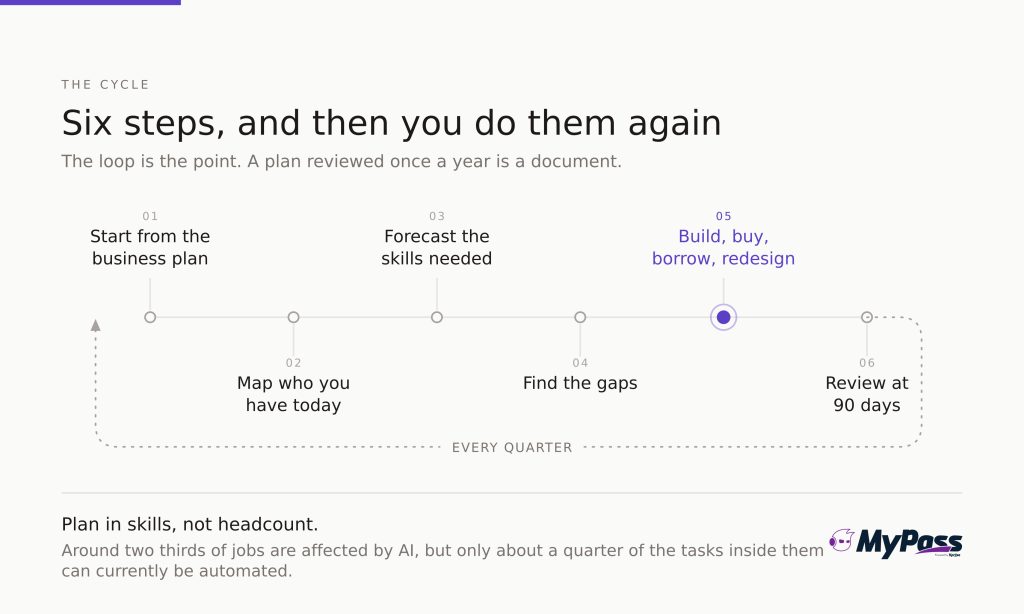
Six steps. You can do a first pass on this in a couple of workshops rather than a quarter.
1. Start from the business plan. If there is not a written one, go and get the three things leadership actually intends to do next year. Everything else follows from this.
2. Map the workforce you have. Roles, headcount, skills, locations, and who is near retirement or at flight risk. This is usually the step that takes the longest, because the data lives in four systems.
3. Work out what you will need. Translate the plan into skills rather than job titles. Ask what tasks the work involves and which of those will change.
4. Find the gaps. Sort them into three buckets: skills you lack in people you have, roles you do not have at all, and roles you will no longer need.
5. Decide build, buy, borrow or redesign. Train an existing person, hire, use contractors or partners, or change the work so the gap stops mattering. Put a name and a date against each.
6. Review it quarterly. Not annually. The plan should change when the business plan changes, which is more often than once a year now.
Step three is where most of the value sits and where most teams rush. Planning in job titles tells you to hire another analyst. Planning in skills tells you that four people already do 70 percent of that job and need the other 30 percent, which is a training problem rather than a hiring problem. A skills gap analysis is the tool for that step, and a skills taxonomy is what makes it repeatable instead of a one-off exercise.
Where Workforce Plans Usually Go Wrong
Five failure patterns come up again and again, and none of them are about the methodology.
- It plans headcount instead of capability. A number of people tells you nothing about whether they can do the work that is coming.
- It is built once a year and filed. By month four the assumptions have moved and nobody has updated the document, so people stop trusting it.
- The skills data is guesswork. Most organisations do not know what their people can actually do, because nobody has ever asked in a structured way.
- It stops at the gap. Identifying that you are short on data skills is not a plan. Naming who is being trained, by when, with what budget, is.
- HR owns it alone. Workforce planning needs finance for the numbers and the business for the assumptions. Done inside HR, it produces a document nobody acts on.
The fix for the first four is the same: plan in skills, write down who owns each action, and look at it every quarter. The fix for the fifth is getting a finance person and an operations person in the room the first time you do it.
How to Start Without an Analyst or a Budget
You do not need workforce planning software to begin. A first version fits in a spreadsheet and takes about a day.
- Pick the roles that would hurt. Five to fifteen, not everyone. The ones where losing a person would set you back months.
- For each one, list who could cover it. Today, in a year, in three years. Blank rows are your risk register.
- Write down the three things the business plans to do next year. Then ask what skills each one needs that you do not currently have.
- Choose build, buy, borrow or redesign for each gap. Be honest about which ones you can realistically train for, because training is slower than people expect.
- Put a date in the calendar for the next review. Ninety days out. This single step is the difference between a plan and a document.
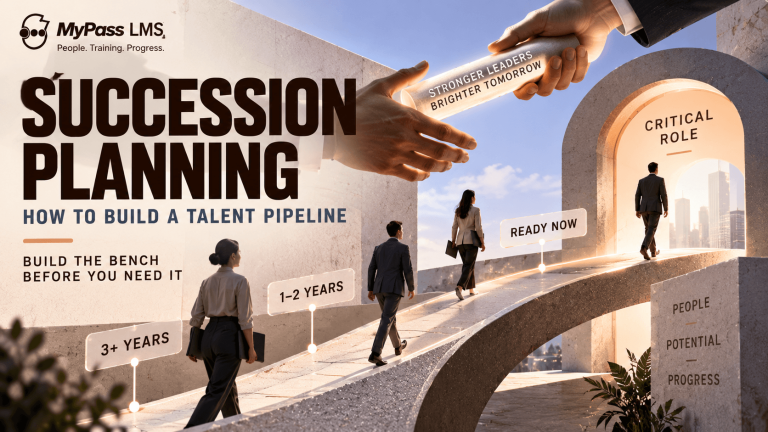
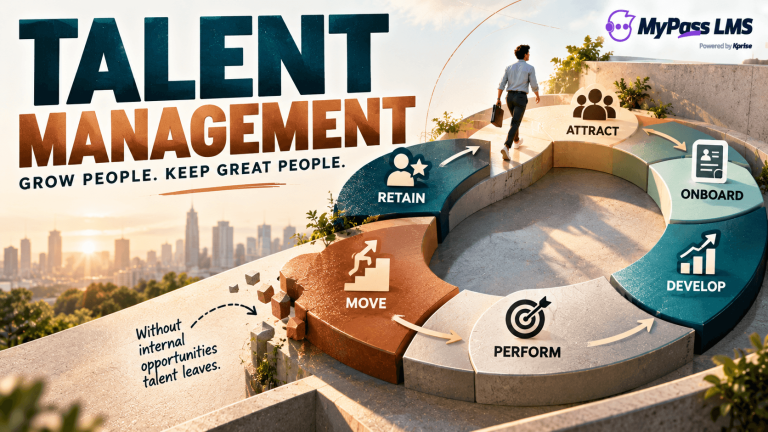
Most gaps end up in the build column, because hiring the specific skills everyone suddenly needs has become slow and expensive. That makes workforce planning and talent management the same conversation in practice, and it is why succession planning usually falls out of this exercise rather than being done separately.
Turning the Plan Into Training That Actually Happens
The gap between a workforce plan and a change in capability is follow-through, and this is the part that gets lost. The plan says eleven people need to learn something by March. Six months later nobody can say whether they did.
- Assign the learning against the plan, not into an inbox. A named person, a named course, a date.
- Track completion as a workforce metric. It belongs in the quarterly review next to headcount and attrition, not in a separate training report.
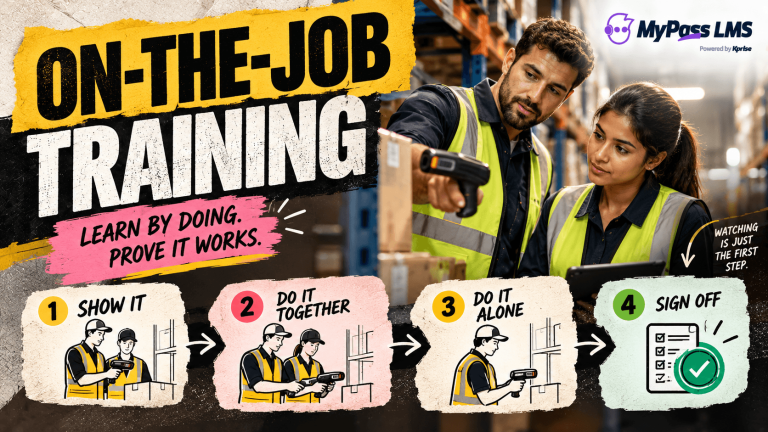
- Re-measure the skill, not just the course. Finishing a module is evidence of attendance. A supervisor sign-off or an assessment is evidence of capability.
- Feed the result back into the plan. If the training closed the gap, the risk register changes. If it did not, you need a different option from build, buy, borrow or redesign.
Encouragingly, people are more willing than they used to be. The World Economic Forum reports the share of workers who have completed training or reskilling has risen to 50 percent from 41 percent in 2023. The constraint is usually the organisation's ability to assign, track and prove it, rather than appetite. If the build column is where most of your gaps land, how to upskill employees covers that side in detail.
The bottom line
Workforce planning is simply matching the people you have to the work that is coming, and deciding what to do about the difference. What has changed is the unit of measurement. With around two thirds of jobs affected by AI but only about a quarter of tasks automatable, planning in headcount tells you very little. Planning in skills tells you where the real gaps sit, and most of them turn out to be training problems rather than hiring problems.
Start narrow. Take the fifteen roles you could not afford to lose, name who could cover each one, write down the three things the business intends to do next year, and book the ninety-day review before you close the spreadsheet. That is a workforce plan, and it beats a sixty-page document nobody opens.
When the build column is where your gaps land, the hard part is proving the training happened. That is what MyPass LMS does: assign the learning the plan calls for, then show who finished it. See what the free edition includes.
Frequently asked questions
What is workforce planning in simple terms?
Workforce planning is working out what people and skills your organisation will need, comparing that with what you already have, and deciding how to close the difference. It answers four questions: what work is coming, who do we have, what will we need, and how do we close the gap. The final step is a decision to train someone, hire someone, bring in contractors, or redesign the work so the gap stops mattering. A plan that lists gaps without naming actions and owners is a report, not a plan.
What is the difference between operational and strategic workforce planning?
Operational workforce planning covers the next few weeks to twelve months and answers whether you have enough people to cover the work in front of you, usually through rotas, vacancies and hiring. Strategic workforce planning looks one to three years ahead and asks whether you will have the right capability, planning in skills and scenarios rather than headcount. Most organisations do the operational half without calling it planning and skip the strategic half entirely. If you only have time for one, do the strategic version for the handful of roles you could not afford to lose.
What are the steps in the workforce planning process?
Six. Start from the business plan, map the workforce you already have, work out the roles and skills the plan will need, find the gaps, decide for each gap whether to build, buy, borrow or redesign, then review quarterly. The third step matters most and is usually rushed. Planning in job titles tells you to hire; planning in skills often reveals that people you already employ do most of the job and need the rest, which is a training problem rather than a recruitment one.
Why do most workforce plans fail?
Usually for one of five reasons: they plan headcount rather than capability, they are built once a year and never revisited, the skills data underneath them is guesswork, they identify gaps without naming actions and owners, or HR produces them alone without finance and the business in the room. Gartner found in February 2026 that only 31 percent of recruiting functions use labour market data to shape talent strategy, so a lot of planning is still running on instinct and last year's spreadsheet.
Sources
- Gartner, February 2026: only 31 percent of recruiting functions use labour market data to shape business and talent strategy. A July 2025 Gartner survey of 426 CHROs found 42 percent ranked strategic workforce planning a top priority.
- World Economic Forum, Future of Jobs Report: 39 percent of workers' core skills are expected to change by 2030, 63 percent of employers name skills gaps as the biggest barrier to transformation, and the share of workers who have completed training or reskilling has risen to 50 percent from 41 percent in 2023.
- Orgvue workforce planning analysis, July 2026: around 66 percent of jobs are expected to be affected by AI, while roughly 25 percent of the tasks inside those jobs can currently be automated. McKinsey estimates current technology could automate activities accounting for about 57 percent of United States work hours.
- PwC Global CEO Survey 2026: 30 percent of CEOs are confident about revenue growth over the next 12 months, down from 38 percent in 2025 and 56 percent in 2022.